


Content marketing is about creating useful content to attract and retain customers by providing value instead of interrupting them with ads. This article will explore effective content marketing strategies for success in 2025.
Key Takeaways
- Content marketing is an effective strategy for engaging audiences and building brand loyalty by providing valuable, relevant content instead of interruptive advertisements.
- A successful content marketing strategy relies on clear goals, understanding the target audience, and producing high-quality content tailored to meet their needs.
- Measuring the success of content marketing through KPIs and analytics allows businesses to refine their strategies and ensure alignment with overall business objectives.
Understanding Content Marketing

Content marketing is the art of developing and distributing relevant, useful content with the primary goal of attracting and retaining customers. Unlike traditional advertising, which often interrupts consumers, content marketing definition seeks to provide value by addressing specific challenges and needs. This approach invites rather than interrupts, fostering a deeper level of engagement with the audience.
The power of content marketing lies in its ability to attract, engage, and sell to specific audiences through valuable content. Businesses can engage with their audiences across multiple platforms, such as social media and websites, creating a continuous dialogue that enhances customer relationships. This method not only builds trust but also positions the business as a thought leader in its industry, especially when combined with influencer marketing.
Additionally, content marketing proves to be economical. It provides a cost-effective way to reach and engage audiences. Businesses utilizing this strategy can generate significantly more leads at a lower cost compared to traditional advertising methods. The content remains accessible indefinitely, allowing consumers to find and engage with it at their convenience, thus ensuring a long-term impact on brand awareness and customer loyalty. Consistently delivering valuable and relevant content also plays a crucial role in enhancing and protecting brand reputation, as it shapes public perception and reinforces a positive image of the business.
Key Elements of a Successful Content Marketing Strategy
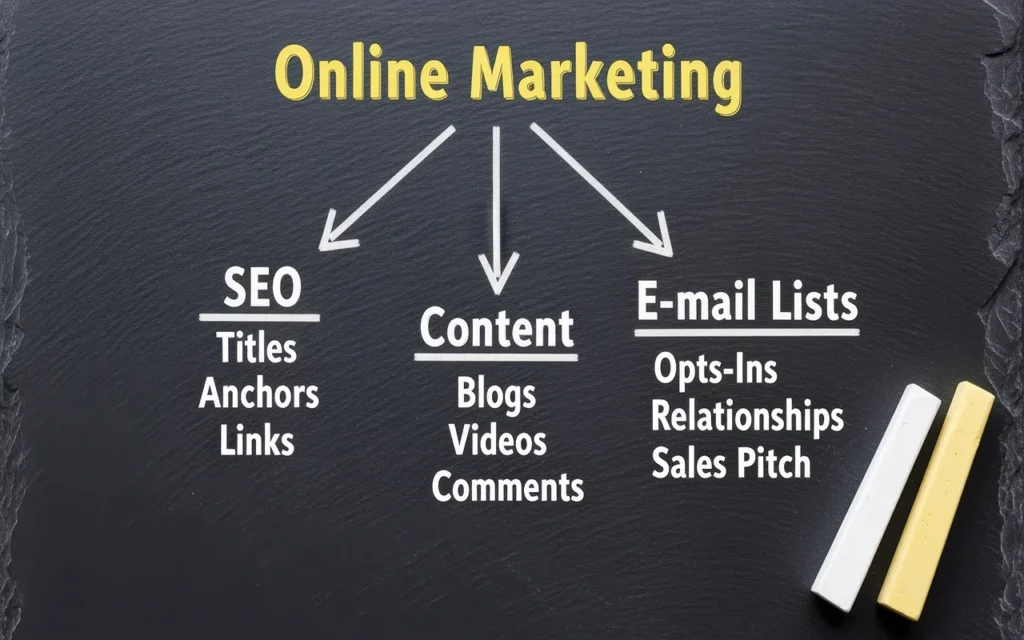
A successful content marketing strategy is built on a foundation of clear goals, a deep understanding of the target audience, and the creation of high-quality content. These elements ensure that the content marketing efforts are directed, focused, and aligned with broader business objectives.
Partnering with a content marketing company can provide the expertise needed to create engaging and optimized content that resonates with your audience and meets your business goals. Aligning audience insights, messaging goals, and delivery channels allows businesses to craft a content strategy that drives engagement and conversions.
Project management plays a crucial role in coordinating content creation, scheduling, and delivery, ensuring that all aspects of the content marketing strategy are executed efficiently and campaigns are delivered successfully.
Setting Clear Goals
Defining clear, measurable goals is crucial for the success of any content marketing strategy. These goals should align with the overall business objectives, ensuring that every piece of content produced serves a specific purpose. Following the SMART criteria helps in setting goals that are both realistic and impactful:
- Specific
- Measurable
- Achievable
- Relevant
- Time-bound
Without a documented content strategy, brands often struggle with inconsistent content production, which can dilute their messaging and reduce the effectiveness of their marketing efforts. Clear goals provide direction and focus, ensuring that all content marketing activities contribute to a cohesive and successful content marketing campaign.
Identifying Your Target Audience
Understanding your target audience is essential for creating content that resonates and drives engagement. Developing detailed customer personas allows content marketers to tailor their content to different audience segments effectively. Focusing on specific segments enables businesses to create personalized content that speaks directly to the needs and preferences of their potential customers.
Conducting audience polls or surveys can uncover valuable insights into content preferences, helping marketers generate fresh ideas and stay relevant. This approach not only boosts brand awareness but also enhances customer engagement by addressing the unique pain points and desires of the targeted audience.
Effective audience segmentation and understanding the buyer’s journey are crucial for delivering content that not only attracts but also retains customers, fostering long-term relationships and brand loyalty. Knowing where your audience is in their buyer’s journey allows you to provide the right content at the right time, guiding them towards conversion and beyond.
Creating High-Quality Content
Creating high-quality content is the cornerstone of any successful content marketing strategy. This involves a blend of creativity and data-driven decision-making to create content that is both engaging and effective. Strong writing and editing skills are essential for crafting content that resonates with the audience and drives action.
High-quality content is available in many formats. These include:
- Blogs
- Social posts
- Infographics
- Video scripts
Each piece of content should be clearly written, free of jargon, and provide detailed, actionable advice that meets the audience’s needs. Before publishing, it’s crucial to have the content reviewed by a professional proofreader to ensure it maintains the highest standards of quality.
Combining creativity with data-driven insights allows content marketers to develop compelling content that not only attracts but also retains the audience’s attention. Understanding the client’s brand identity, brand expertise, target audience, and goals ensures that the content aligns with the brand’s tone and voice, delivering a cohesive and engaging message through branded content.
Types of Content Marketing

Content marketing encompasses various types of content that cater to different stages of the buyer’s journey. Each type of content plays a unique role in guiding prospects from awareness to consideration and finally to purchase. Effective content marketing requires a mix of content types to engage audiences at every stage and improve conversion rates.
Each content type also supports the sales process by addressing customer needs at different stages, starting with educational content in the awareness stage to identify and solve pain points, and moving toward more targeted content for consideration and decision-making.
Key types of content marketing include blogging, video content, and social media posts. Each of these types has its strengths and can be used strategically to enhance brand visibility, drive engagement, and support a successful content marketing campaign.
Blogging
Blogging is a powerful tool for attracting organic traffic, sharing insights, and building credibility. Well-crafted blog posts can significantly boost search engine rankings and drive website traffic. A well-crafted blog post can guide readers through the buyer’s journey, providing valuable information that drives conversions and supports overall content marketing goals. To be effective, blogs should be published consistently, prioritize high-quality content, and include visuals to enhance engagement.
Employing professional copywriting tips, such as crafting compelling intros and incorporating SEO best practices, can enhance the visibility and impact of blog posts. Providing valuable and informative content through blogs can establish a business as a thought leader in its industry.
Video Content
Video content is increasingly becoming a staple in content marketing strategies due to its ability to convey complex ideas and elicit emotional responses from the audience. In 2024, 78% of content marketers plan to increase their video content production, highlighting its growing importance.
Creating impactful video content involves producing concise videos with high production quality and clear calls to action. Video content is particularly effective for product demos, brand storytelling, and customer engagement, making it a versatile tool in any content marketing strategy.
Social Media Posts
Social media posts are crucial for increasing brand awareness and engaging directly with specific audience segments. Utilizing social media platforms effectively can enhance audience interactions and support marketing campaigns by sharing updates and engaging communities dynamically.
Planning is essential for ensuring that social media content reaches the audience effectively. Writing engaging posts that link back to the original material can amplify the brand voice and drive traffic to the business’s website. Consistent messaging across multiple platforms helps in building a memorable and branded experience for the audience.
Crafting a Digital Marketing Strategy

Developing a comprehensive digital marketing strategy involves several key components, such as digital channels and digital marketing channels, content strategy development, content creation, and digital strategy content distribution. A holistic approach ensures that all marketing efforts align with broader business goals and drive measurable results.
Inicio One conducts thorough analyses of brands and their competition to craft tailored digital marketing strategies that enhance visibility online and reach target audiences effectively. Emerging technologies like Augmented Reality (AR) and Virtual Reality (VR) are expected to reshape digital marketing by enhancing customer interaction by 2025.
Integrating paid ads into your digital marketing strategy can drive engagement, increase brand awareness, and support the promotion of content marketing campaigns.
Integrating SEO with Content Marketing
Keywords are the foundation of SEO, helping to attract valuable traffic to your content. Integrating relevant keywords into your content marketing strategy enhances visibility and drives organic traffic effectively. Search engines assess content based on its relevance and whether it delivers on its promises to users.
Applying SEO best practices to content can significantly improve its visibility in search engines. Optimizing content for voice search is also becoming increasingly important as consumers rely more on voice-activated devices for information.
Developing a content calendar for at least six months can help ensure regular output, enhancing SEO efforts.
Leveraging Social Media Platforms
Social media platforms are essential for sharing content and engaging with the target audience. Leveraging these social media channels effectively can boost brand awareness and drive traffic to your website. Tailoring the format and messaging to where the audience spends their time helps businesses maximize engagement and support their marketing campaigns.
Promoting content through social media involves writing engaging posts that link back to the original material, helping to amplify the brand voice and drive interactions. Consistent messaging across multiple platforms enhances brand visibility, boosting brand awareness, and customer engagement.
The Role and Responsibilities of a Content Marketer
A content marketer is at the heart of any successful content marketing strategy, acting as both a creative storyteller and a strategic planner. Their primary responsibility is to develop and implement a content marketing strategy that delivers relevant content to the target audience while supporting overall business objectives. This begins with in-depth research to understand the audience’s needs, preferences, and pain points, ensuring that every piece of content—whether it’s blog posts, social media posts, or video content—resonates and drives engagement.
Content marketers must stay ahead of industry trends and adapt their content creation efforts to reflect the latest best practices in digital marketing. They are skilled in crafting high-quality, compelling content across multiple formats, from how-to articles and engaging social media posts to visually appealing video content. Beyond creation, content marketers are responsible for editing, optimizing, and ensuring that all content aligns with the brand’s voice and messaging.
Measuring the effectiveness of content marketing efforts is another key responsibility. Content marketers track key performance indicators (KPIs) such as website traffic, engagement rates, and lead generation to assess what’s working and where improvements can be made. By analyzing these metrics, they can refine their marketing strategy, ensuring that content continues to support business growth and deliver valuable insights to the target audience.
Ultimately, a content marketer bridges the gap between brand goals and audience needs, using data-driven insights and creative content to drive meaningful results.
Leveraging Content Marketing Technology and Tools
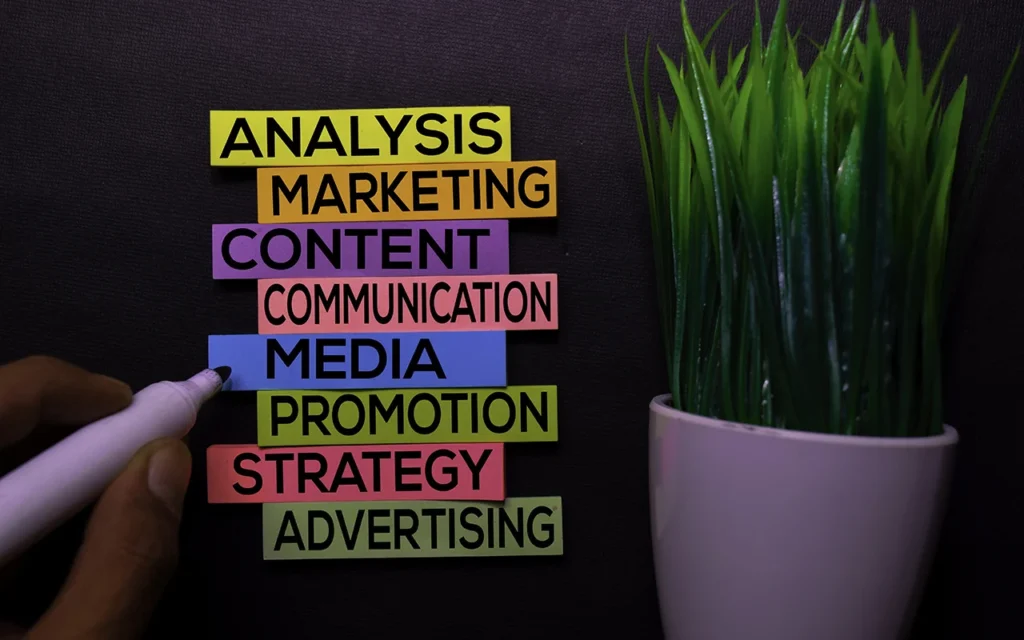
To execute a successful content marketing campaign, content marketers rely on a suite of technology and tools designed to streamline every stage of the process. Content management systems (CMS) are essential for creating, organizing, and publishing content efficiently, ensuring that high-quality material is delivered consistently across all digital channels.
Social media scheduling tools play a vital role in managing the distribution of content across various social media platforms. These tools allow content marketers to plan, automate, and optimize the timing of social media posts, maximizing reach and engagement with the target audience. By maintaining a consistent presence, brands can keep their audience engaged and reinforce their messaging.
SEO tools are indispensable for optimizing content with relevant keywords, meta descriptions, and image tags, all of which contribute to improved search engine rankings. These tools help content marketers identify trending topics, analyze competitors, and ensure that their content is discoverable by search engines and potential customers alike.
Analytics platforms are crucial for tracking the performance of a content marketing campaign. By monitoring key metrics such as website traffic, user engagement, and conversion rates, content marketers can assess the effectiveness of their content marketing efforts and make data-driven decisions to refine their content strategy. Leveraging these technologies not only increases efficiency and productivity but also enhances the overall impact of content marketing, ensuring that every campaign delivers measurable results.
Content Distribution and Promotion Strategies
Creating compelling content is only half the battle—effective distribution and promotion are essential for ensuring your message reaches the right audience and drives business growth. A robust content marketing strategy includes a comprehensive plan for distributing content across multiple digital marketing channels, such as social media, email marketing, and paid advertising.
Content marketers should develop a content calendar to maintain a consistent publishing schedule, ensuring that fresh, relevant content is always available to engage the target audience. Leveraging social media platforms allows brands to share content widely, interact with followers, and build a loyal community. Email marketing remains a powerful tool for nurturing leads and delivering personalized content directly to subscribers, while paid media—such as Google Ads and sponsored social posts—can amplify reach and attract new potential customers.
Influencer marketing and user-generated content are also effective strategies for expanding brand awareness and credibility. Partnering with influencers helps tap into new audience segments, while encouraging user-generated content fosters authentic engagement and trust.
Optimizing all content for search engines is critical for driving organic traffic and improving online visibility. By combining organic and paid distribution tactics, content marketers can maximize website traffic, generate leads, and achieve key business objectives. Ultimately, a well-executed content distribution and promotion strategy ensures that your content marketing efforts translate into measurable business growth and a stronger brand presence online.
Measuring Content Marketing Success
Measuring performance in content marketing is crucial for tracking key performance indicators (KPIs), assessing impact, and iterating based on results. Data-driven decision-making is essential for refining content strategies and measuring marketing effectiveness in the near future.
Tracking content performance helps evaluate if it meets goals like engagement and lead generation. Analyzing metrics and feedback allows marketers to make necessary adjustments to improve their content marketing efforts.
Key Performance Indicators (KPIs)
KPIs provide insights into campaign performance and help make data-driven decisions. Crucial KPIs include:
- Website traffic
- Conversion rates
- Social media interaction These help assess content effectiveness. Reviewing performance helps identify what resonates with the audience and adjust strategy accordingly.
Working against meaningful KPIs ensures that the content marketing efforts are aligned with business goals and deliver measurable results.
Analyzing Metrics and Feedback
Monitoring progress in a content marketing campaign is essential for reviewing performance metrics and making necessary adjustments. Analytics tools are crucial for measuring content marketing performance and gathering audience insights.
Utilizing analytics tools allows marketers to tailor future content to better meet audience needs and preferences. This approach ensures that the content remains relevant and engaging, leading to better audience retention and customer engagement.
Overcoming Common Content Marketing Challenges
Content marketers often face challenges such as maintaining consistency and generating fresh ideas. A content marketer successfully overcoming these challenges is essential for ensuring long-term effectiveness and sustainability of content marketing efforts.
Effective collaboration with a content marketing agencies can help address these challenges by providing the necessary industry expertise and resources. Technologies like Adobe Experience Manager and generative AI can also enhance content production and management processes.
Maintaining Consistency
Maintaining consistency is key to building and maintaining audience trust. Integrated systems that support the entire content supply chain can help ensure consistent content production. Fragmented tools and overextended teams often struggle to support modern content strategies, highlighting the need for streamlined processes.
Generating Fresh Ideas
Generating fresh ideas is crucial for keeping content engaging and relevant. Using mind mapping tools can enhance creativity in brainstorming sessions, allowing teams to visually organize ideas and explore new angles. Communicating complex ideas and analyzing current market trends helps in identifying relevant topics that resonate with the audience, making content more appealing.
Leveraging user-generated content is another effective way to curate engaging audiences that reflect user interaction and audience interests. Regularly reviewing audience engaged feedback ensures that content stays relevant content and engaging, leading to better audience retention and customer engagement.
The Role of Email Marketing in Content Strategy
Email marketing plays a vital role in any content marketing strategy by establishing a direct communication channel with subscribers who have expressed interest in your brand. Segmenting your email list allows you to tailor communications based on demographics, behavior, or interests, ensuring that each message resonates with the recipient.
Tracking metrics such as open rates and click-through rates is crucial for evaluating the effectiveness of email campaigns. With more users accessing emails via mobile devices, optimizing emails for mobile is necessary to ensure they are user-friendly and engaging.
Email content marketing services include:
- List building
- Audience segmentation
- GDPR compliance
- Drip campaigns
- Newsletters
- A/B testing
- Email marketing services
These services provide a comprehensive approach to nurturing leads and delivering valuable generate leads driving sales.
The Future of Content Marketing

As we look to the future, content marketing is set to undergo significant transformations driven by advancements in technology and changing consumer preferences. AI is expected to significantly enhance content creation and distribution by 2025, enabling marketers to produce tailored content efficiently. Personalization driven by AI will become standard, enabling marketers to provide experiences that directly address individual consumer preferences.
Sustainability and ethical marketing practices will play a crucial role in brand positioning as consumer awareness of social issues rises. Additionally, subscription-based models may reshape content monetization, offering exclusive access to content and fostering community engagement. Staying ahead of these industry trends will be essential for businesses to maintain a competitive edge and continue delivering compelling content that engages audiences.
Inicio One: Comprehensive Digital Marketing & Content Solutions for Business Growth
INICIO.ONE is a leading digital marketing agency specializing in comprehensive content marketing strategies designed to attract, engage, and convert your target audience. Our data-driven plans ensure that your content marketing efforts align with your business objectives, driving measurable results and fostering business growth. Conducting thorough analyses of your brand and competition enables us to craft tailored digital marketing strategies that enhance visibility and effectively reach your target audience.
Our services include:
- SEO optimization, which involves keyword research, on-page optimization, and content structuring to boost search online visibility.
- Platform-specific social media marketing strategies designed to grow brand awareness and audience engagement.
- Content creation and copywriting services that provide high-quality blogs, articles, and web copy tailored to your brand voice, ensuring that all content resonates with your audience.
In addition to content marketing, Inicio One offers web design and development services, creating modern, responsive websites designed to convert and reflect your business goals. Our email marketing campaigns include targeted newsletters and drip campaigns that nurture leads and drive sales. With a client satisfaction rating of 4.7+, our proven track record speaks for itself, making us the ideal partner for your inbound marketing and digital marketing needs.
Summary
In summary, a successful content marketing strategy in 2025 requires a clear understanding of key elements such as setting clear goals, identifying your target audience, and creating high-quality content. Leveraging various types of content marketing, including blogging, video content, and social media posts, can significantly enhance brand visibility and customer engagement. Crafting a comprehensive digital marketing strategy that integrates SEO and leverages social media platforms is essential for maximizing the impact of your content marketing efforts.
As we move forward, staying ahead of emerging trends and technologies will be crucial for maintaining a competitive edge. Partnering with a content marketing agency like Inicio One can provide the expertise and resources needed to navigate the complex world of digital marketing and achieve business growth. By implementing these proven content marketing strategies, businesses can drive engagement, foster long-lasting customer relationships, and achieve success in 2025 and beyond.
Frequently Asked Questions
What are the key elements of a successful content marketing strategy?
A successful content marketing strategy hinges on setting clear goals, identifying your target audience, and producing high-quality content. These elements align your efforts with your business objectives, driving effectiveness and engagement.
How can I identify my target audience for content marketing?
To effectively identify your target audience for content marketing, develop detailed customer personas and conduct polls or surveys. This approach will enable you to create tailored content that truly resonates with their needs and preferences.
What types of content should I include in my content marketing strategy?
To effectively enhance your content marketing strategy, focus on incorporating blogging, video content, and social media posts. Each type contributes significantly to engaging prospects and improving brand visibility.
How can I measure the success of my content marketing efforts?
To effectively measure the success of your content marketing efforts, focus on tracking key performance indicators (KPIs) like website traffic, conversion rates, and social media engagement. Utilizing analytics tools will provide valuable insights, enabling you to make informed adjustments to your strategy.
What services does Inicio One offer for content marketing?
Inicio One provides a range of content marketing services that include SEO optimization, social media marketing, content creation and copywriting, web design and development, and email marketing campaigns, all designed to align with your business objectives and deliver measurable results.